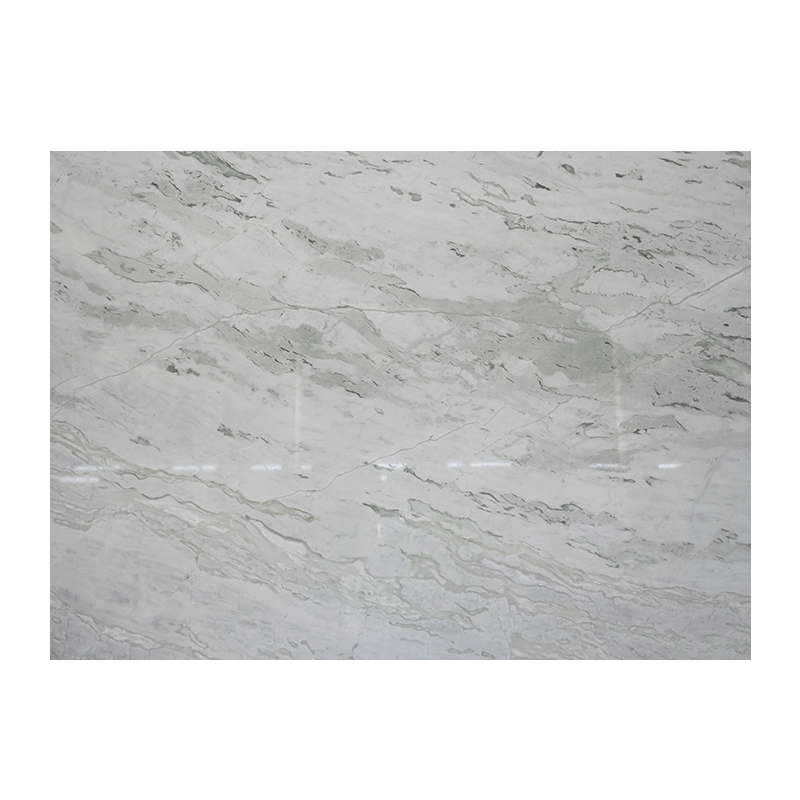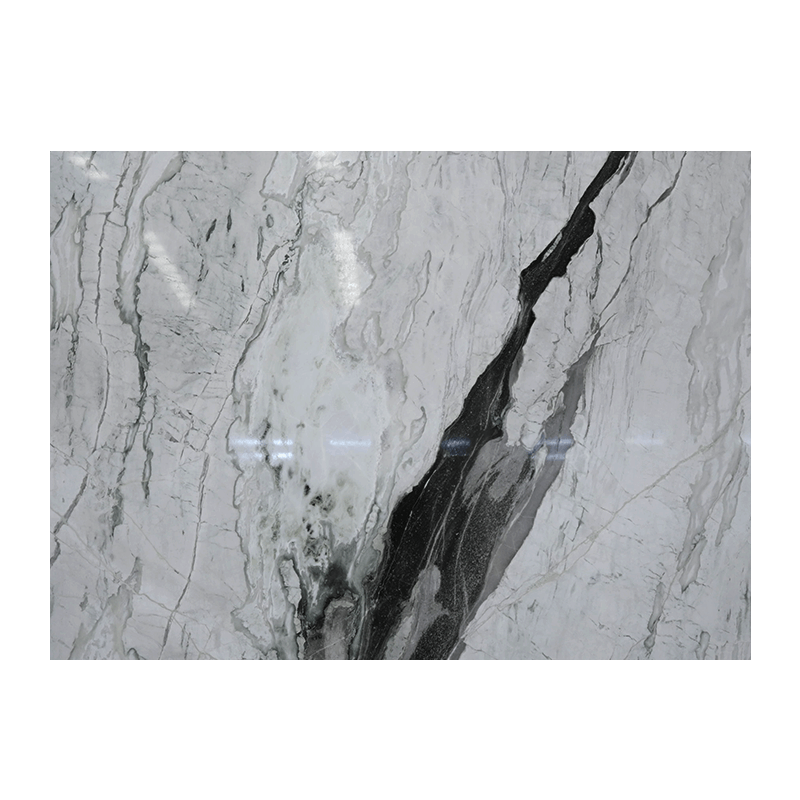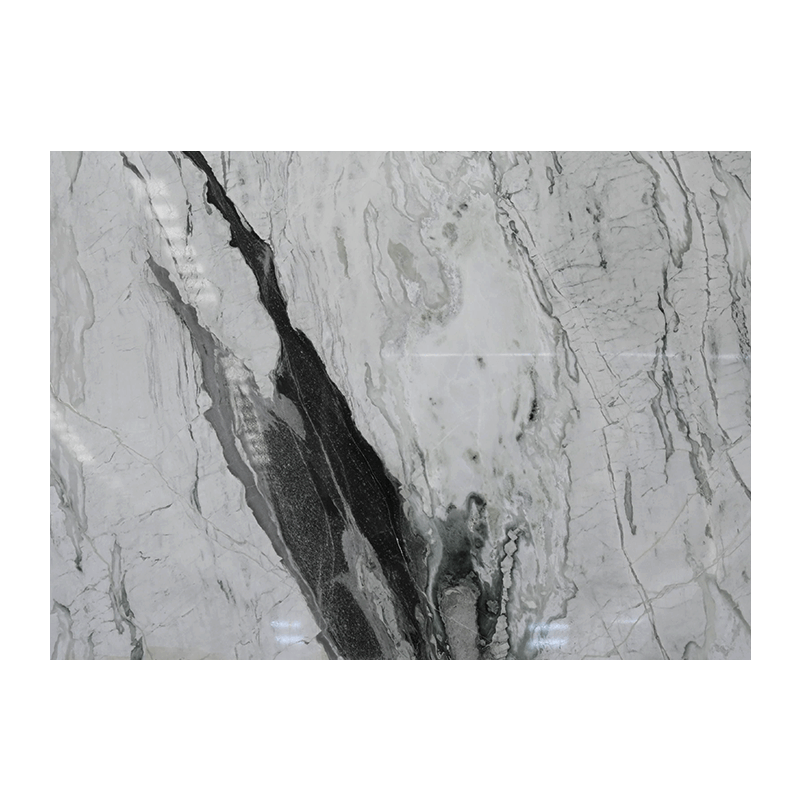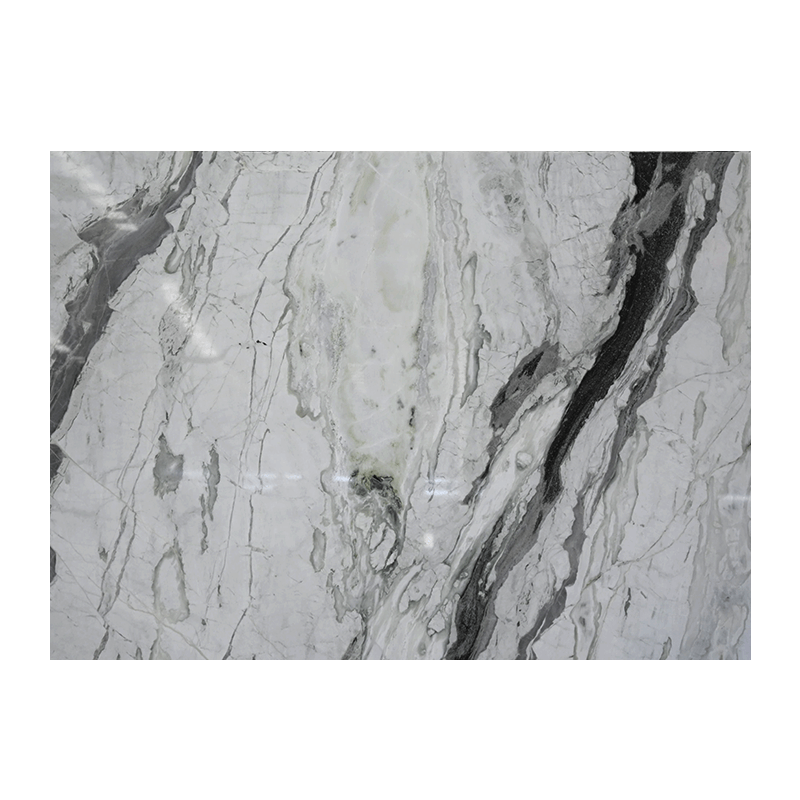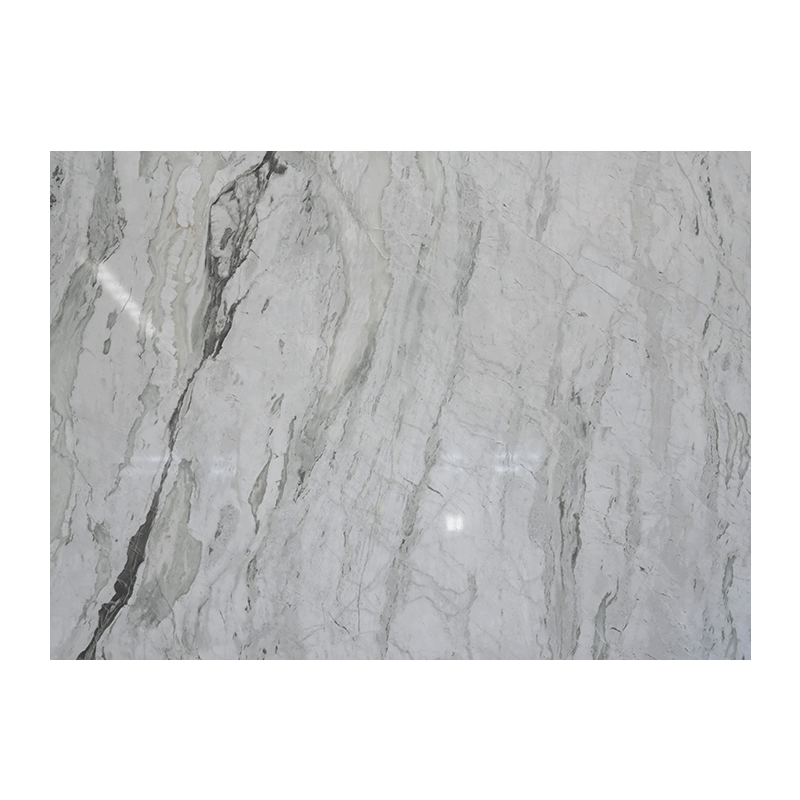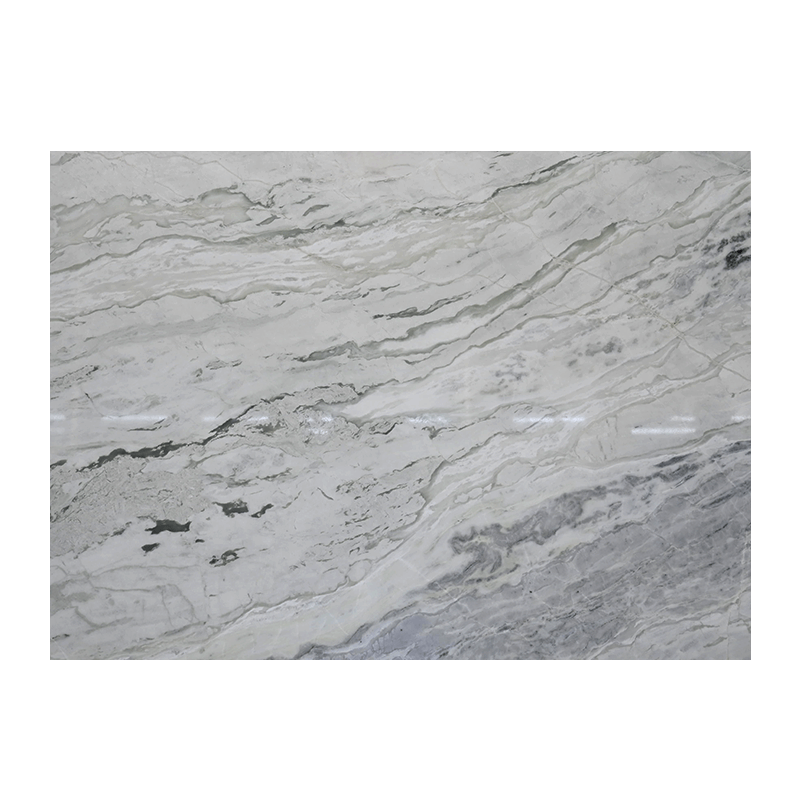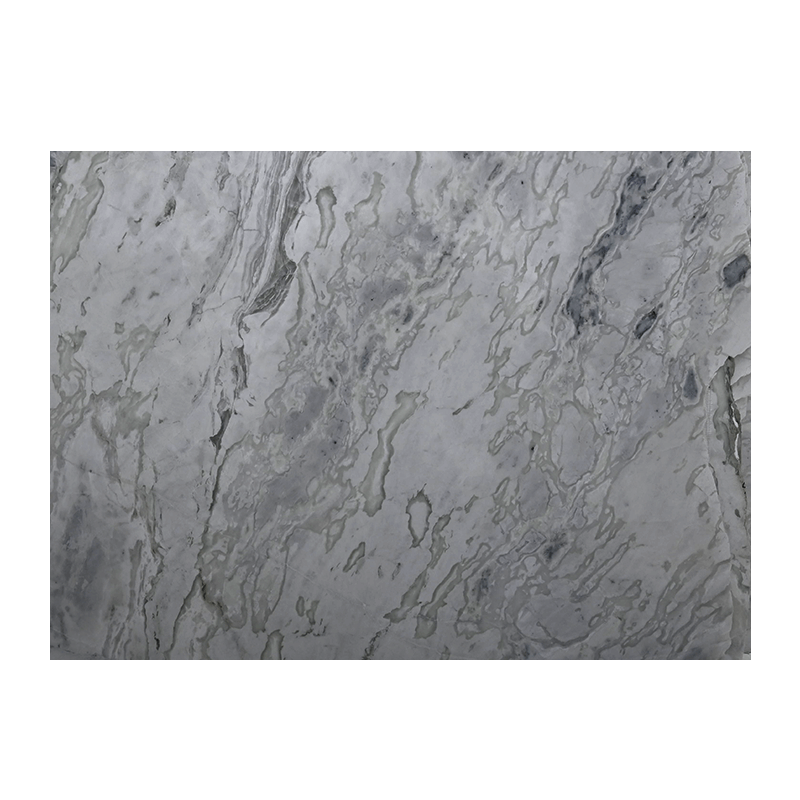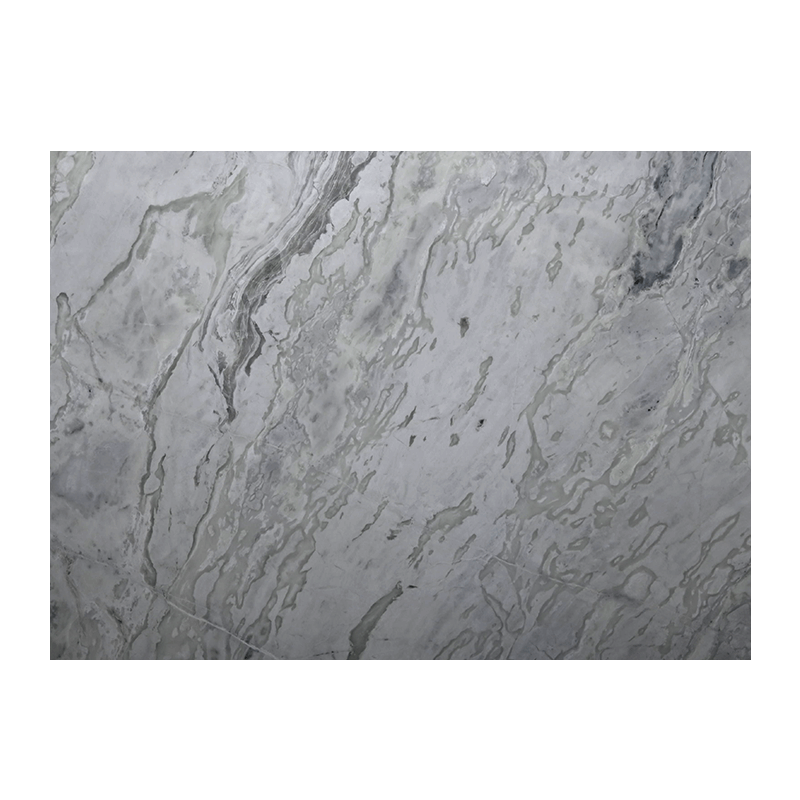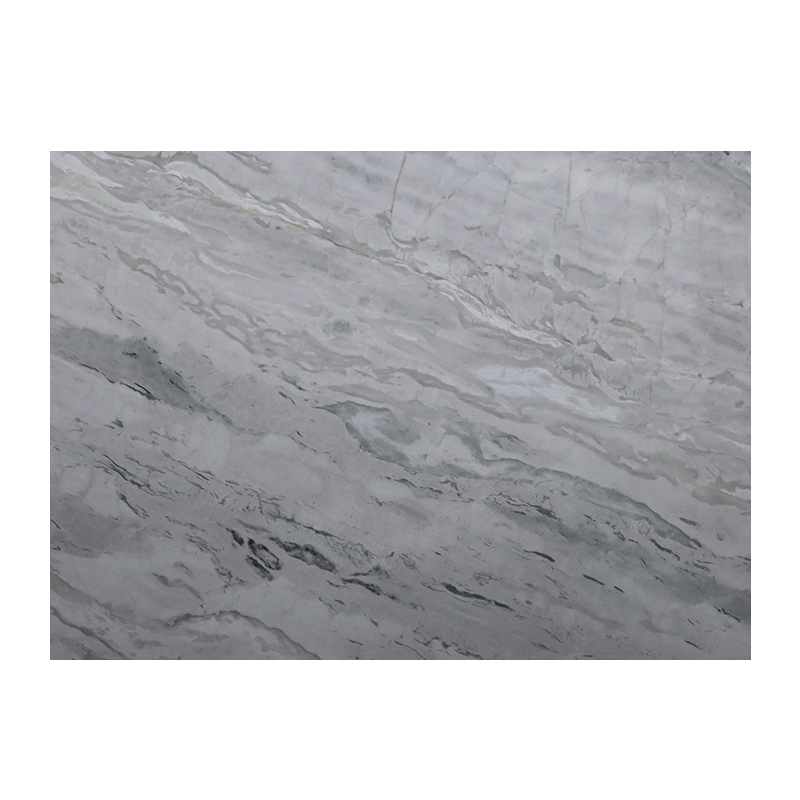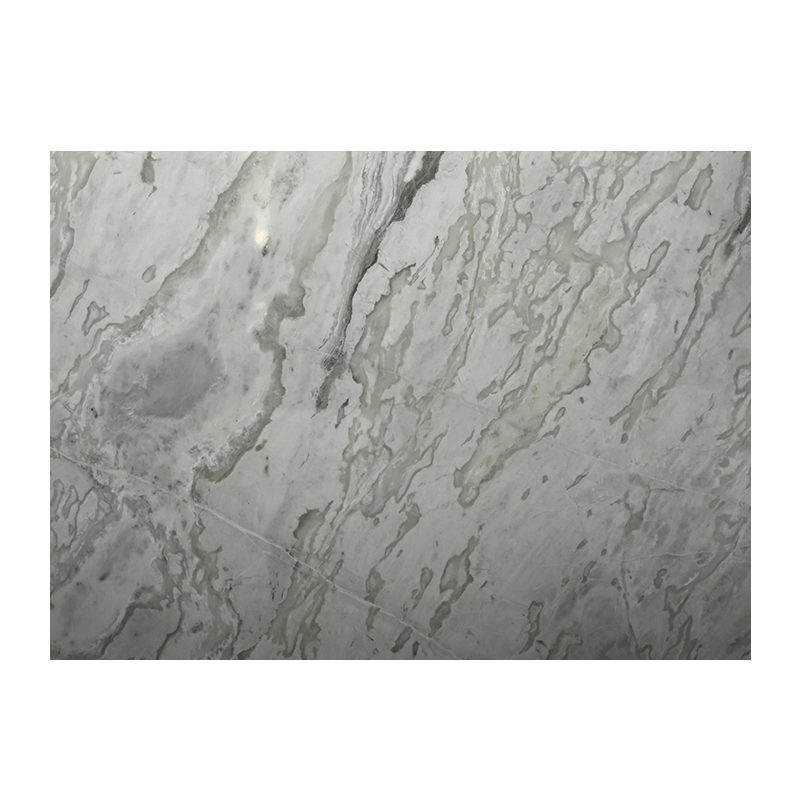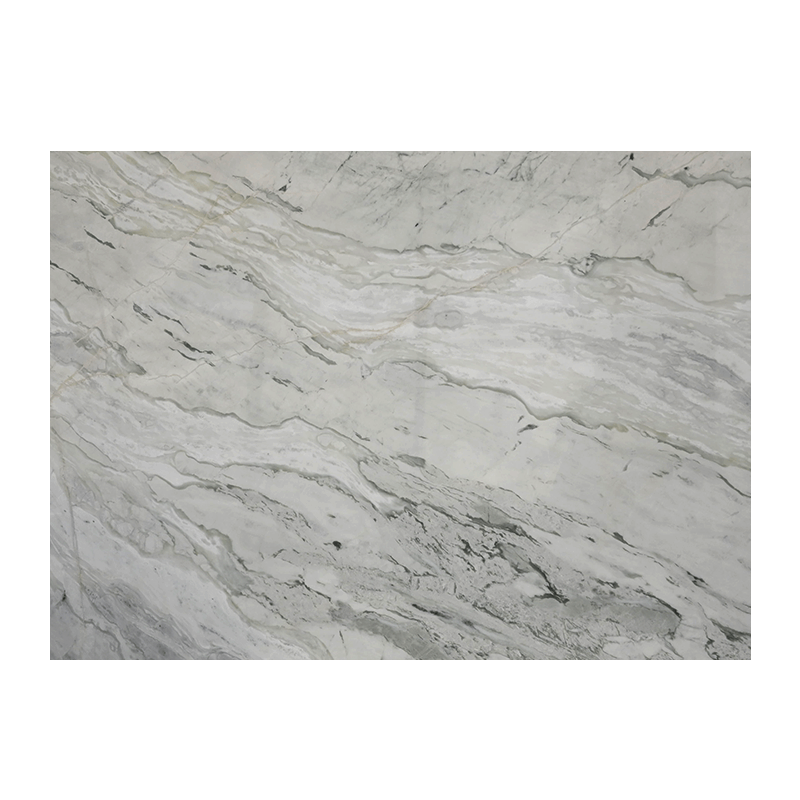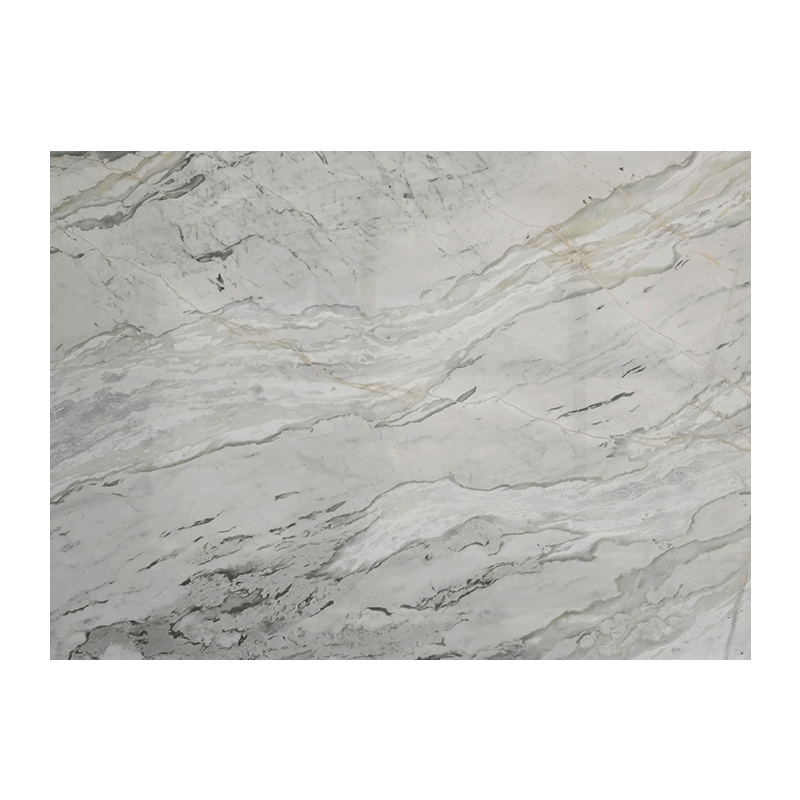

التمدد الحراري التفاضلي - بلاط رخام مصقول مثل جميع الأحجار الطبيعية، تتعرض لتغيرات طفيفة في الأبعاد استجابة لتقلبات درجات الحرارة. يكون معامل التمدد الحراري للرخام بشكل عام أقل من معامل التمدد الحراري للمواد مثل الخشب الصلب أو الفينيل أو الصفائح. عندما يتم تركيب بلاط الرخام بجوار هذه المواد، فإن التغيرات في درجات الحرارة يمكن أن تتسبب في تمدد الأسطح غير الرخامية أو انكماشها بسرعة أكبر من الرخام. وبدون التكيف المناسب، يمكن أن يؤدي هذا الاختلاف إلى خلق ضغط على الواجهة، مما يؤدي إلى تشقق الجص، أو فصل الحواف، أو حتى كسور دقيقة في الرخام. وللتخفيف من ذلك، غالبًا ما يقوم المصممون بتضمين وصلات التمدد، أو المواد اللاصقة المرنة، أو شرائط الانتقال للسماح بالحركة المستقلة لكل مادة، مع الحفاظ على السلامة الهيكلية والاستمرارية الجمالية للتركيب.
التغيرات الأبعاد الناجمة عن الرطوبة - Materials like wood, engineered boards, or concrete underlayments can expand or contract when exposed to moisture, while Polished Marble Tiles remain relatively dimensionally stable. This discrepancy can create localized stress on marble grout lines or at material interfaces. Proper joint design, including the use of flexible sealants and appropriately sized expansion gaps, is critical to absorb these movements. Additionally, ensuring that substrates and surrounding materials are dry and stable before installation minimizes the risk of long-term movement-induced damage. This consideration is especially important in high-humidity areas such as bathrooms or kitchens, where differential expansion is more pronounced.
مفاصل التمدد والتحكم - To accommodate movement and reduce stress, expansion joints are strategically placed at perimeters, along long runs, or at material transitions. These joints are filled with compressible materials or silicone-based sealants that allow marble tiles and adjacent flooring to move independently. Control joints within the marble field distribute stress evenly across large areas, preventing cracking due to thermal or mechanical expansion. Proper planning of joint placement ensures that both functional and aesthetic requirements are met, maintaining the uniformity of the marble surface while allowing safe movement over time.
شرائط الانتقال والعتبات - When connecting Polished Marble Tiles to dissimilar materials, transition strips or thresholds provide a flexible interface that accommodates differential expansion and contraction. These strips, made of metal, rubber, or complementary materials, absorb dimensional differences and prevent stress concentration at edges. In addition to protecting the tile edges, they enhance safety by reducing trip hazards and provide a clean visual boundary between materials, preserving both performance and aesthetic appeal.
اعتبارات الركيزة والمواد اللاصقة - The underlying substrate plays a critical role in managing joint movement and material interaction. Rigid substrates such as concrete provide stable support, reducing differential movement between the marble and surrounding materials. Flexible substrates, such as plywood or composite panels, require high-quality, flexible adhesives that allow slight substrate movement without transferring stress to the marble tiles. Ensuring substrates are properly leveled, cured, and moisture-stable before installation is essential to prevent long-term joint failure, edge chipping, or tile cracking.
واجهة الجدار والفجوات المحيطة - When Polished Marble Tiles meet walls or vertical surfaces such as drywall or plaster, differential movement can generate stress at corners and edges. Installing a perimeter expansion gap, later concealed by baseboards or skirting, allows the marble tiles to expand and contract freely without pressing against rigid surfaces. This practice prevents edge chipping, grout cracking, and potential detachment from adhesive bonds, ensuring a clean and durable installation.
الصيانة والفحص الدوري - Over time, even properly installed tiles may experience minor movement, and joints may degrade. Regular inspection of expansion joints, grout lines, and transition strips ensures that any early signs of cracking, separation, or material movement are addressed promptly. Timely replacement of sealants and joint materials preserves both the structural integrity and visual appeal of the installation. Maintenance also includes checking for moisture intrusion or substrate shifts that could compromise the marble tiles’ stability.
ملخص اعتبارات التفاعل - Polished Marble Tiles interact with other flooring and wall materials through a combination of thermal expansion, moisture-induced dimensional changes, mechanical stress, and substrate variability. Managing these interactions requires: careful joint planning, flexible adhesives, transition strips, perimeter gaps, substrate preparation, and ongoing inspection. By implementing these measures, the marble tiles can maintain structural integrity, aesthetic consistency, and long-term durability, even in environments subject to temperature fluctuations, moisture changes, or mechanical stresses.


عنوان المصنع: رقم 8، غرب بن الشعر OA D، لاو با جانج (مدينة J IA ox IE)، منطقة Bin H AI الجديدة، مقاطعة ha Ian، NaN tong، Jiangsu، الصين


+86-15221350573

+86-571-86632298
حقوق الطبع والنشر © Jiangsu Pinhe Stone Industry Co., Ltd.
 English
 Español
 русский
 عربى
عربى